Drumming
Choose something you want to play better: your first beat, a fill that keeps rushing, or the part you need for Sunday. Start with a lesson, try it at the kit, and use what you hear to decide what needs more work.
Find a lesson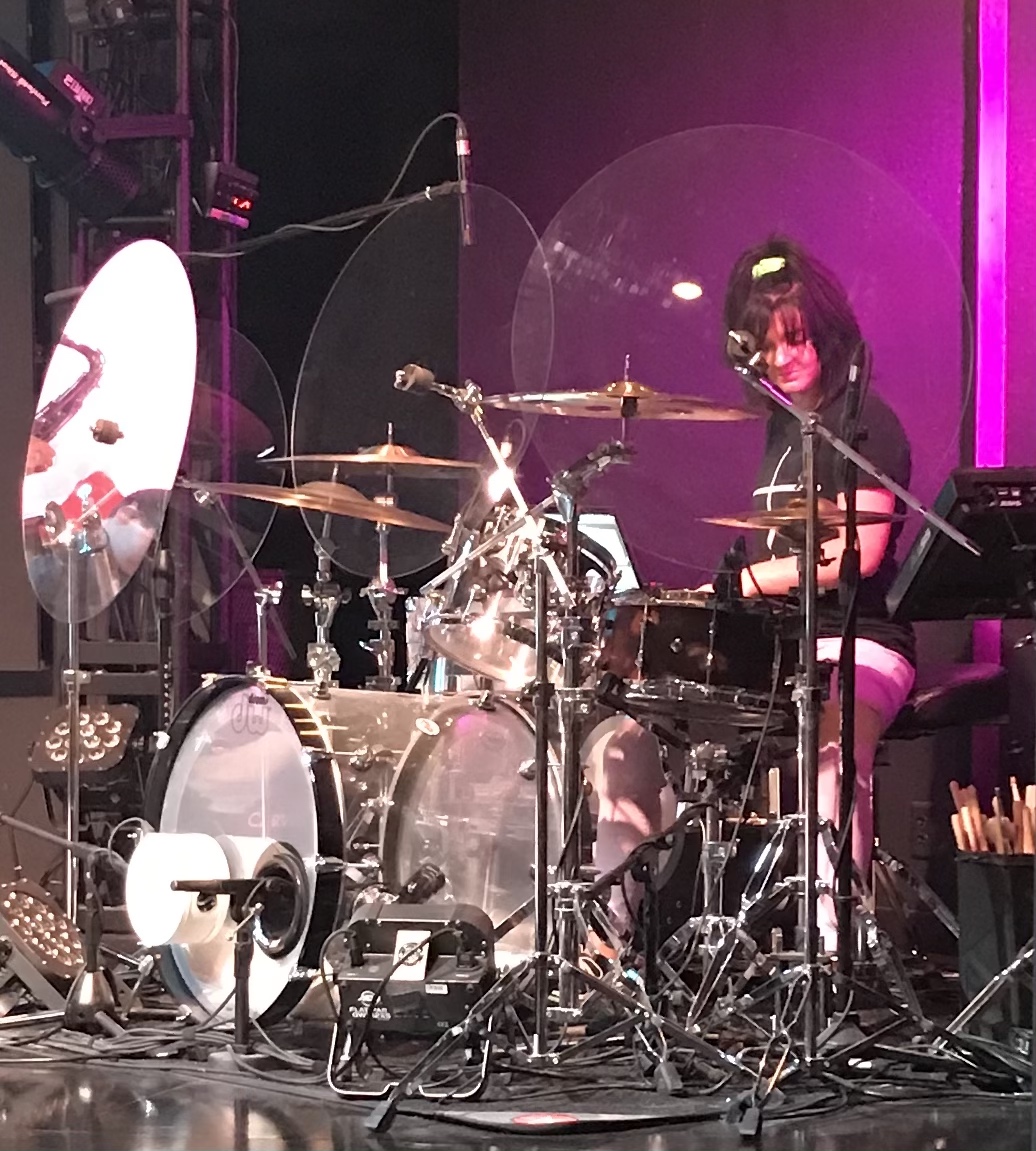
Build a groove you can keep.
If you are starting out, learn a steady count and a simple kick-and-snare pattern before adding fills. The beginner lessons show how the parts fit together and what to listen for when two notes should land at the same time. You can begin the counting and hand exercises on a practice pad or a quiet surface.
Learn your first beat
Prepare the changes in the song.
Once the groove is comfortable, practice the places where the arrangement changes: an entrance, a fill, a quieter verse, or the final cutoff. Include the bar before and after each change. For a band rehearsal, use the agreed recording and chart so you learn the version everyone will play.
Prepare for a worship rehearsal
Hear the part with the band.
A part that works alone may need a different touch under a vocal. Ask someone in the audience area which sounds are clear and which cover another instrument. The notes and practice journal give you short comparisons to try, from a more closed hi-hat to a fill that leaves the vocal pickup clear.
Work on the sound in the roomChoose what you need today.
Work on one skill
Focused notes on fills, cymbal control, chart reading, practice, and kit setup.
Explore work on one skillLearn the foundations
Step-by-step guides to your first groove, notation, rudiments, and playing with a band.
Explore learn the foundationsTry a rehearsal exercise
Short practice prompts for something you heard in a song or noticed at the kit.
Explore try a rehearsal exerciseExplore the interactive kit
Hear the drums and cymbals, then try the play-along grooves.
Explore explore the interactive kit